AI and the Future of Storytelling: Partners or Competitors?

ON July 09, 2025 / BY EDITORS GEORGE DAVEY & SHIBRA KHAN / LEAVE A COMMENT

Every year, The Brunel Writer Prize is awarded to the student with the highest graded article submission for the Creative Industries module on Brunel University’s Creative Writing Programme. Kay Drori Borghini was the winner of The Brunel Writer Prize 2025 with her AI and the Future of Storytelling: Partners or Competitors?
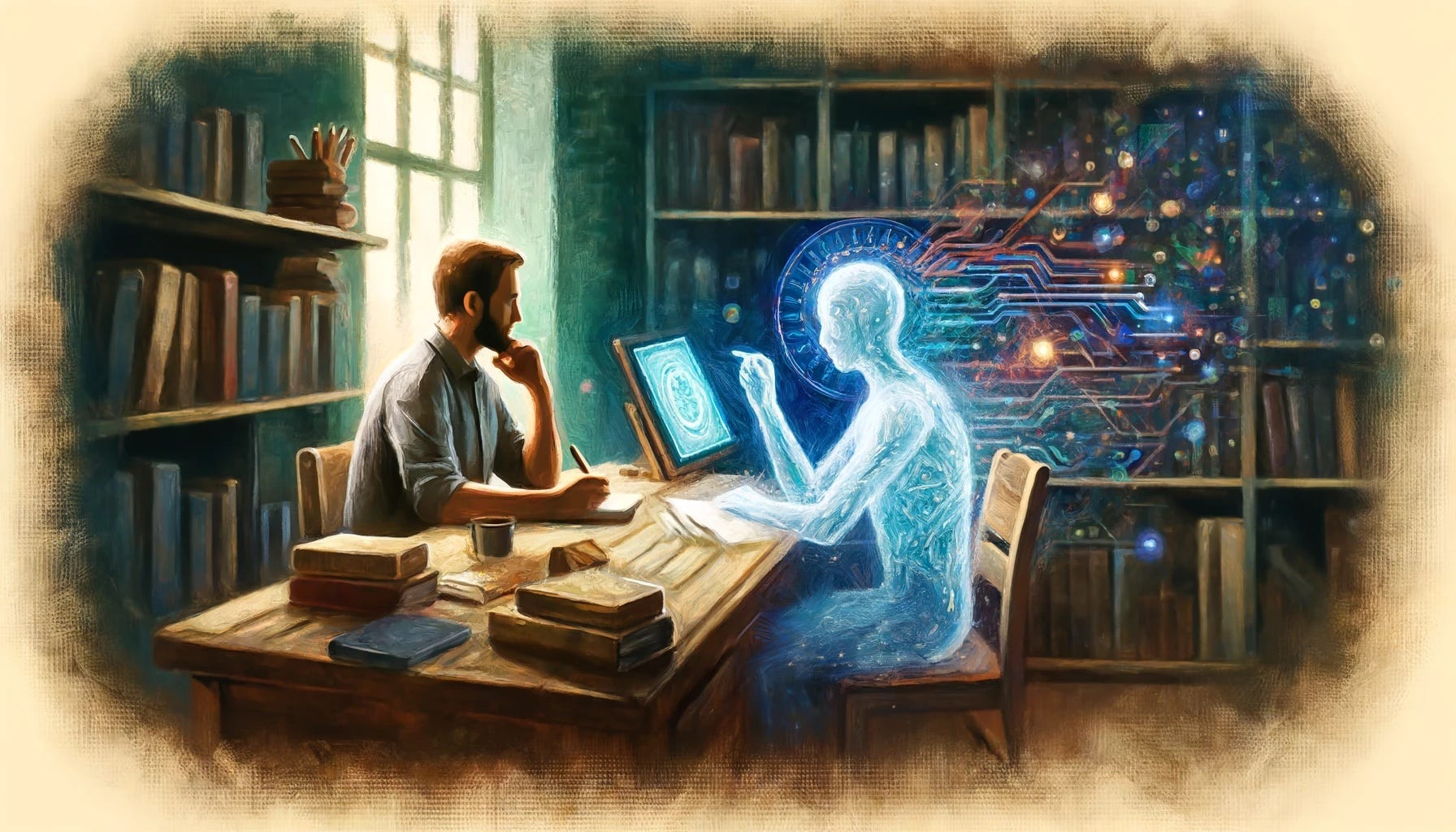
AI and the Future of Storytelling: Partners or Competitors? AI is everywhere these days, infiltrating nearly every corner of the creative industries. From composing original music with tools like AIVA to producing striking digital art through platforms like MidJourney, it’s clear that AI isn’t just dipping its toes into creativity—it’s diving in headfirst. In the publishing industry, it’s helping tidy up messy manuscripts and predict the next big thing readers will obsess over. But when it comes to writing, things get a bit… tense. Storytelling feels personal— deeply, uniquely human. So, what should we think now that AI has joined the party? Is it a creative sidekick to elevate our ideas, or a competitor rewriting the rulebook on how to tell a story?

When the world develops unexpectedly, it’s easy to shut the blinds and cling to what is familiar, point fingers at the disruptor, and imagine the worst. But isn’t that what storytelling thrives on—change, disruption, the unexpected? AI might feel like the villain of this particular narrative, but could it also be an unlikely ally? Sure, it challenges the traditional idea of a lone writer laboring over a masterpiece, but it also opens up doors we never thought to knock on.

When looking at AI as a writer’s collaborator, my first thought was doubt—it felt strange to introduce something so mechanical into something so personal. But over time, I’ve found it can be surprisingly helpful, the possibilities open up in ways that might feel unexpected, but they’re not without merit. AI isn’t here to replace the creative spark—it’s here to enhance it. Writers can use AI to brainstorm ideas when the well runs dry, drawing on suggestions that might lead to something fresh. It can sift through heaps of research, summarize complex topics, and present information in a way that allows writers to focus on the narrative, not the legwork. When it comes to grammar and clarity, AI can catch errors or suggest improvements, giving writers more space to focus on their voice and style. It’s not about doing the work for you, but about removing the roadblocks, so one can put energy into what matters most: crafting the story.

But as we think about how AI can assist writers, there’s one place where its potential is still met with resistance: universities. Universities in the UK seem to have slammed the door shut on AI, declaring it unwelcome in academic spaces. For creative writing students, this reluctance represents a missed opportunity. AI can be a collaborator who inspires fresh ideas and offers practical tools for refining their craft. Shouldn’t institutions built on progress and innovation prepare the next generation of writers for a rapidly evolving world? Trying to hold back the tide of technological change is a losing battle—learning to navigate it takes us much further. The fear that AI will make writers complacent is present, yet universities could teach students how to use its potential effectively and adequately. By equipping creative writing students with the skills to harness these tools, universities wouldn’t just be preparing them to adapt to the future—they’d be empowering them to redefine it. Change is inevitable, but resisting it only leaves us behind. For writers, this is a chance not to replace creativity, but to enhance it.

The future of creative writing isn’t about man versus machine. It’s about extending ourselves over the incoming horizon. Writers have always adapted to new tools—typewriters, word processors, and even the internet revolutionized how we write and share stories. AI is the next step in this evolution, a tool to expand what’s possible. Maybe it will be a man-machine alliance, but it won’t change the core of what makes storytelling so powerful: the uniquely human ability to weave meaning into words. AI isn’t the end of the story—it’s a new chapter waiting to be written.

Kay is an Italian writer who works across poetry and fiction—sometimes strange, often moody—and is interested in voice, atmosphere, and the messy stuff we feel but don’t always say. 

Colombian Chronicles: A Mature Student’s Adventure

ON May 31, 2025 / BY EDITORS GEORGE DAVEY & SHIBRA KHAN / LEAVE A COMMENT

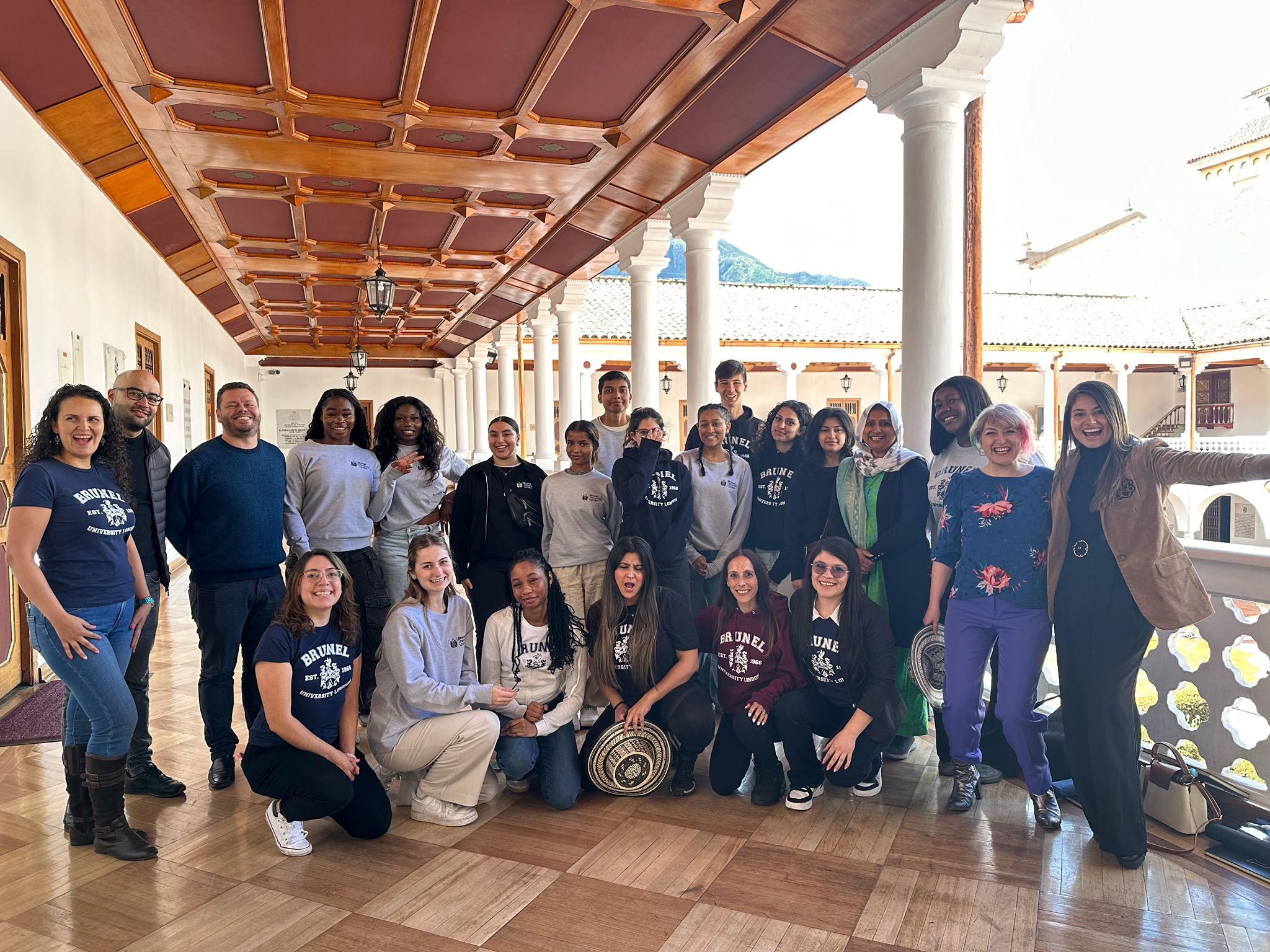
Every year, The Brunel Writer Prize is awarded to the student with the highest graded article submission for the Creative Industries module on Brunel University’s Creative Writing Programme. Shibra Khan was a runner-up for The Brunel Writer Prize 2025 with her travel memoir, Colombian Chronicles: A Mature Student’s Adventure.

Universidad del Rosario art studio, Bogota. Photo by Diana R.

El Dorado International Airport, Bogota              First introductory class at the University of Rosario. Photos by University of Rosario staff

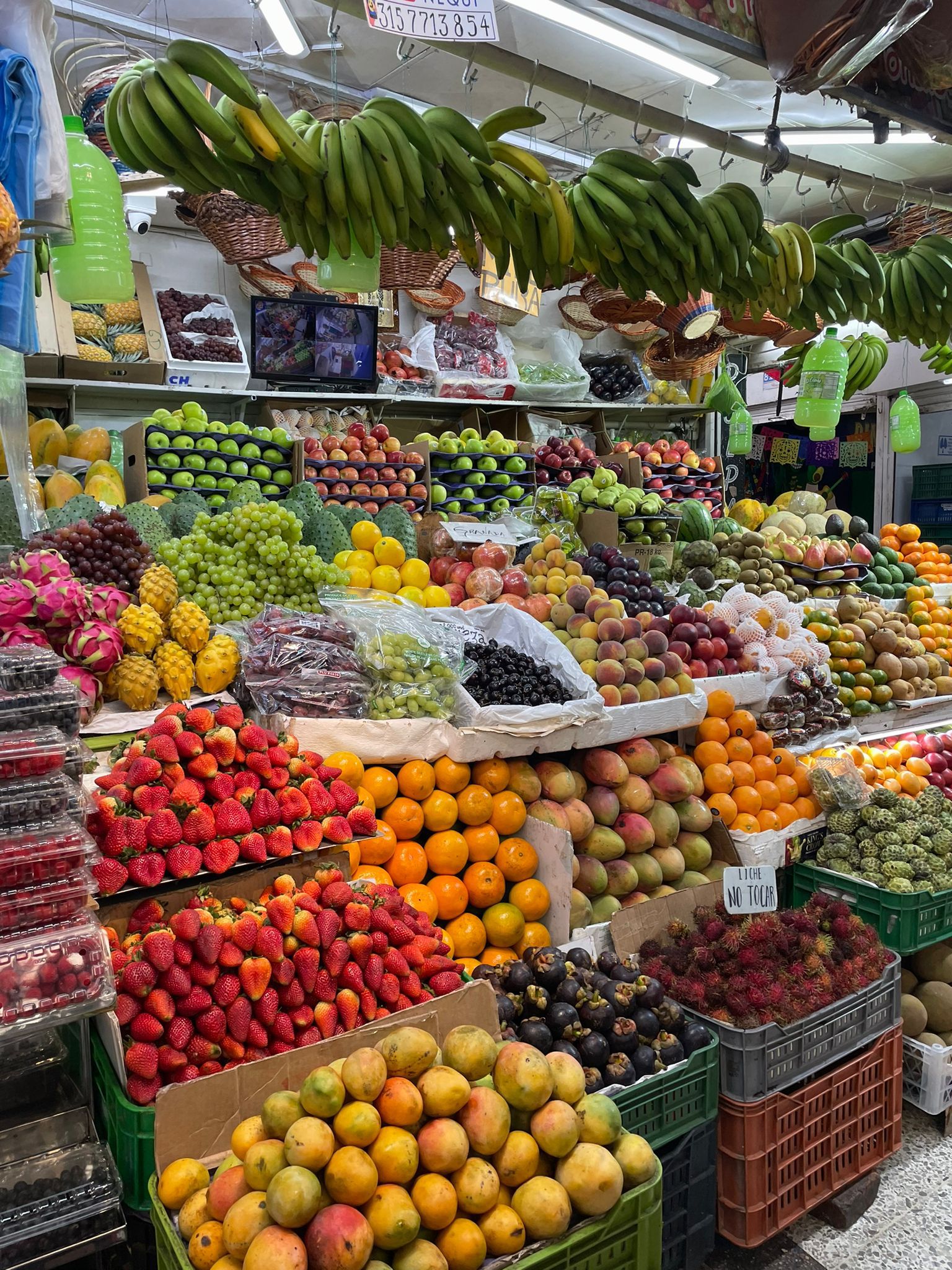
Villa De Leyva, Colombia Photo by University of Rosario staff Fruit Market, Bogota

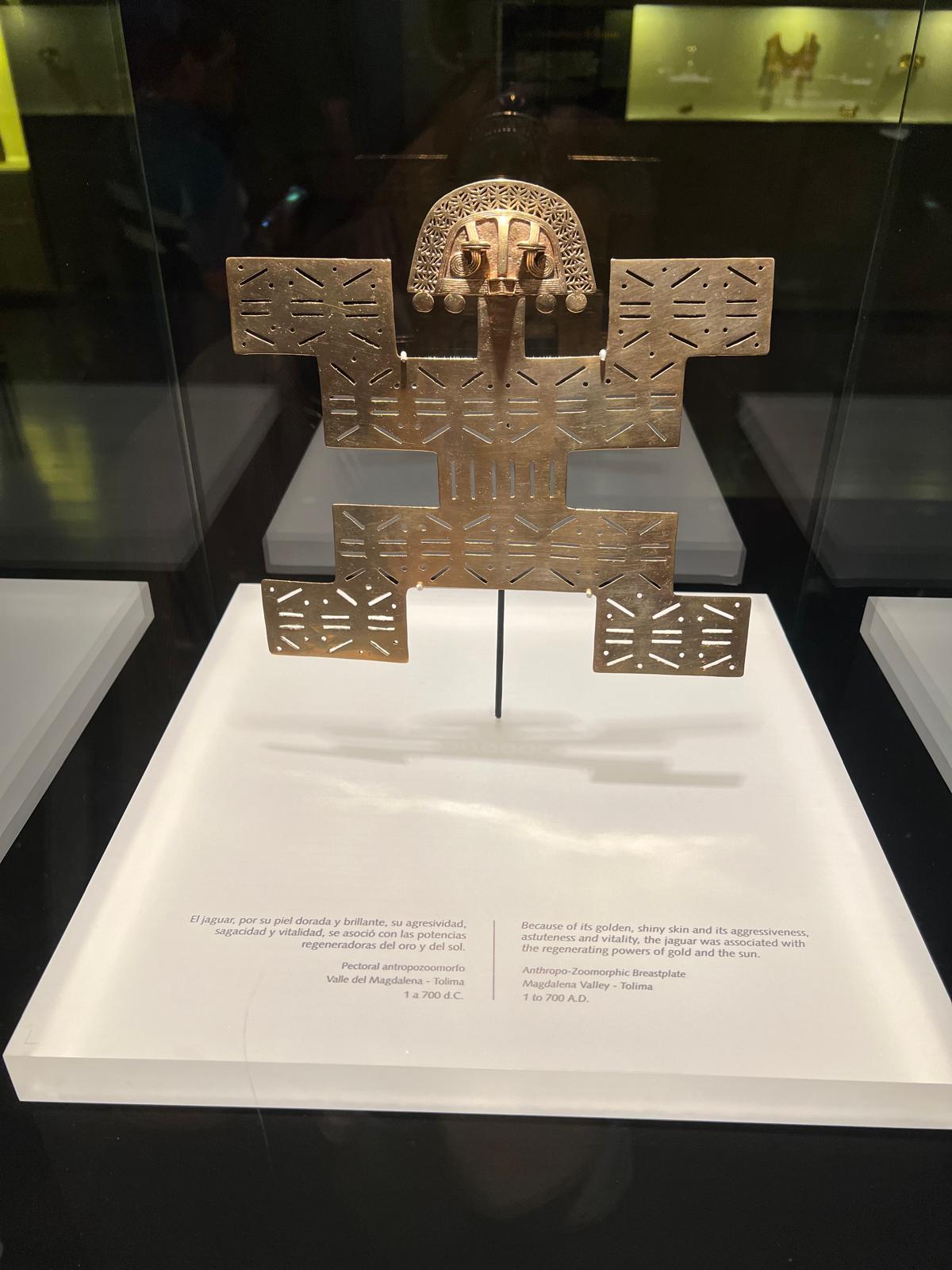
A beautiful mural painting, Bogota                Photographed by author, Gold Museum, Bogota

Imagine me, a Shibra, stumbling into the Colombian wonderland, wide-eyed, where my ‘true self’ was redefined not as some intrepid explorer but as a sloth masquerading as a human. The vibrant rows of exotic local fruits like guanabana and lulu, paired with the eye-catching Embera beadwork crafted by Chami Tribe artisans in the streets of Bogotá, were an exhilarating sensory overload.  In the main market of downtown Bogota, hawkers tempted me with guarapo with a hint of limón, a sugarcane juice so delicious I almost licked the llamas, nonchalantly parading around Botero’s plump sculptures as if they were auditioning for a surrealist art film. This unforgettable experience stands as a testament to the tireless efforts of both Brunel and Rosario universities.

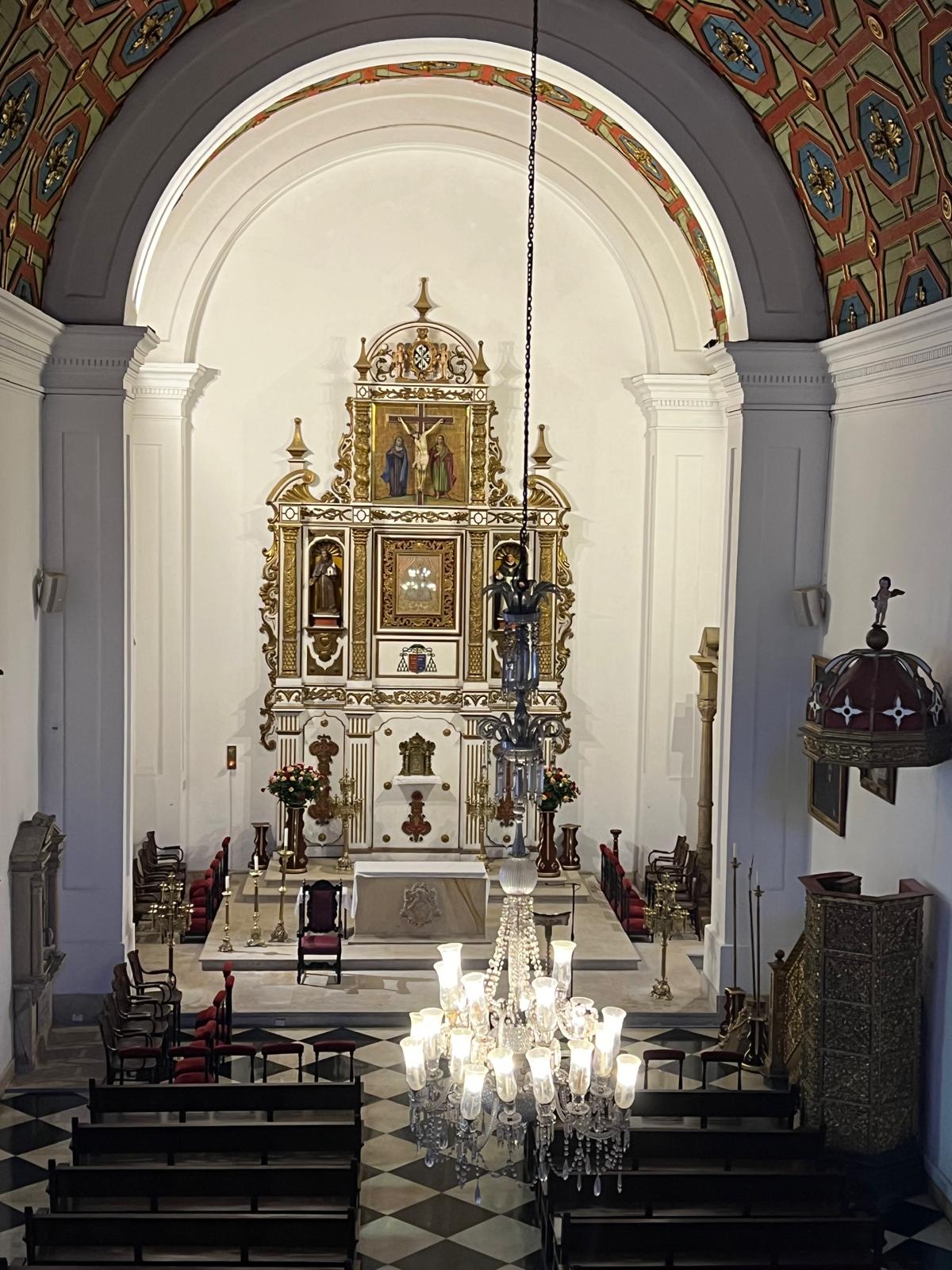
University of the Rosary, Bogotá    Photographed by the author & University of Rosario staff    Innovation and Entrepreneurship campus

This trip was a much-needed escape from the everyday grind of mature student life, balancing studies, family, and a social life that often revolved around debating the merits of healthy eating. Tejo, a beloved Colombian sport of throwing metal disks at a circular target, earned me the prestigious title of ‘Queen of Tejo’ (much to the amusement of my tender muscles). My creativity was reignited by the vibrant street art of Bogota, where the secret language of graffiti left me marvelling at the inventiveness of the mural’s artistry.

Winning at Tejo is always fun     Photographed by the Brunel University of London staff                     Lake at Villa De Leyva

Beyond the responsibility of representing my university, this Colombian adventure was a crash course in ‘Adulting Plus 101’, forcing me to balance academics with real-world demands. Climbing Bogota’s challenging hills, I learned that pushing my limits, both physically and mentally, can be incredibly rewarding. The whimsical charm of Villa de Leyva and the serene beauty of San Andres offered much-needed respite from the constant hum of academic stress. This trip instilled renewed confidence and a deeper appreciation for cultural exchange. I encourage fellow mature students to seize this opportunity; you might return a more well-rounded (no pun intended), slightly less stressed, and infinitely more enjoyable version of yourself. And who knows, you might even learn something about life you can’t find in any textbook.

Shibra Mariam Khan is a multilingual poet, writer, and community educator. Her journey has taken her from Pakistan to Norway and now to West London. She currently supports Syrian and Afghan refugees in integrating into their local communities. She is passionate about exploring her poetic voice as a global citizen, reflecting on her diasporic identity and the challenges of living across borders. Shibra co-edits the Brunel Writer blog and enjoys writing her reflections while travelling. Her interests include wholesome nutrition, advocating for social justice, and embracing the transformative power of language.
Stay connected with her latest writings via Instagram: @shibra_kh

Blood, Verse & Roses: Can Poetry Pay the Rent in 2025?

ON MAY 02, 2025 / BY EDITORS GEORGE DAVEY & SHIBRA KHAN

Every year, The Brunel Writer Prize is awarded to the student with the highest graded article submission for the Creative Industries module on Brunel University’s Creative Writing Programme. Rowan Reddington was a runner-up for The Brunel Writer Prize 2025 with his satirical analysis of the economics of being a poet in the 21st century.

The typical weeknight meal of a working poet.

I.

NO.*

II.

*Not unless you
do a Walt Whitman:

eat beans in a shed,
bin-dive for bread.

(Tricky since Aldi
began to lock the lids.

Don’t ask how the poet
knows about this…)

III. Switching to prose (-poetry?) for the deep dive…

The conventional answer is ‘Sorry, kid. Step away from the quill.’ You can eat, write, and rhyme… just not all three at once. It’s tough enough being a novelist. And people read novels.

This bleak prognosis is usually served with the caveat that writers need day jobs, side hustles, or rich benefactors (like an entrenched class system!). It won’t be long till you hear the c-word flying about.

Copywriting.

Because you honed your ear and eye and heart in order to line shareholders’ pockets, right? Because the primary role of the poet is to ease consumers’ suspicions that the annihilation of the living earth won’t be allayed by Fanta bottles being made from 80% recycled plastic… and the secondary role of the poet is to persuade the people on the escalators at Liverpool St. station that BAE systems are a cosy, family business not the stonehearted beneficiaries of industrial murder, yeah?

‘OK. So… not a fan of copywriting, then,’ says the bemused, well-meaning, but essentially disapproving distant relative/beleaguered colleague/long-suffering friend that you’ve cornered or been cornered by at some imaginary social function. (An optimistically early-season BBQ, let’s say).

The next unsolicited piece of advice, posing as a question and accompanied by aerial chunks of charred chipolata, that will leave this person’s mouth (once they’re done glancing furtively up at that dark, blimp-like raincloud on the horizon) will be: ‘You could be an Instapoet?’

You go to speak but they cut you off.

‘No wait, let me guess,’ they say, between glugs of warm cider (your second cousin was right: your great-uncle does have a drinking problem). ‘Peddling paper-thin platitudes that pander to the misanthropic tech conglomerates’ commodification of our very minds, via that euphemistically-named techno-succubus, the “attention economy”… that’s not poetry, either. Is it?’

Touché, Len! you want to shout.

But ‘cause you’re a deep and unfathomable Artist, you say: ‘Actually, I like Rupi Kaur. It’s not her fault I get stuck watching cat videos. And no one gets into Eliot first—’ dramatic pause as the first raindrops splatter off Len’s former-county-hockey-player nose. ‘Maybe, Len, milk and honey are gateway drugs?’

You’re pleased with that piece of dialogue. You make a mental note.

‘What?’ says Len, sheltering beneath an untouched platter of homemade coleslaw.

In my humble opinion, you’ve both got a point. On the one hand, it’s true that Instapoets may have saved poetry: the meteoric rise of poets like Kaur has coincided with a significant bump in sales. On the other, social media poetry must be get-able on first encounter. A recipe for vapid verse if there ever was one.

(𝚛𝚎𝚌𝚒𝚙𝚎 𝚏𝚘𝚛 𝚟𝚊𝚙𝚒𝚍 𝚟𝚎𝚛𝚜𝚎
𝟷 x 𝚜𝚎𝚕𝚏-𝚑𝚎𝚕𝚙 𝚙𝚕𝚊𝚝𝚒𝚝𝚞𝚍𝚎
𝟷 x 𝚛𝚎𝚏𝚎𝚛𝚎𝚗𝚌𝚎 𝚝𝚘 𝚏𝚕𝚘𝚠𝚎𝚛𝚜/𝚛𝚊𝚒𝚗
𝟷 x 𝚛𝚎𝚏𝚎𝚛𝚎𝚗𝚌𝚎 𝚝𝚘 𝚎𝚡

𝚕𝚒𝚖𝚙𝚕𝚢 𝚜𝚑𝚊𝚔𝚎
𝚐𝚊𝚛𝚗𝚒𝚜𝚑 𝚒𝚗 𝚙𝚞𝚗𝚌𝚝𝚞𝚊𝚝𝚒𝚘𝚗-𝚕𝚎𝚜𝚜 𝚕𝚘𝚠𝚎𝚛𝚌𝚊𝚜𝚎 𝚠/𝚜𝚑𝚊𝚔𝚢 𝚕𝚒𝚗𝚎 𝚍𝚛𝚊𝚠𝚒𝚗𝚐
𝚜𝚎𝚛𝚟𝚎 𝚌𝚘𝚕𝚍)

Anyway, getting back to what this article is ostensibly about, to get paid as an Instapoet you apparently had to be there early on. The best we can hope for now is some kind of trickledown poetic renaissance.

But probably the Lens of this world are right: it’s day jobs for the foreseeable. We’ll need to keep weighing our good coffee and fancy boxes of herbal tea as loose carrots at the self-service kiosk for a while yet, won’t we, poets?

Rowan is a poet and tree surgeon living in East London. His most recent publication is the short story ‘Beat Phase’, featured in the New Adult anthology ‘It’s Fine, I’m Fine’ (edited by Kat Gynn). It tells the story of a verbose and naive Ginsberg-fanatic’s move to London, that ‘cobbled, storied morgue where you can’t even yawn without swallowing ghosts’, and the subsequent anticlimax known as “adult life”.

The Creative Writing Prize in partnership with Johnson & Alcock

Creative Writing at Brunel University of London is pleased to announce the Creative Writing Prize in partnership with literary agency Johnson & Alcock.

The competition gives aspiring writers the opportunity to flex their creative muscles and potentially gain representation from a literary agent.

Dr Frazer Lee, Postgraduate Programme Lead and Reader in Creative Writing said: “The Creative Writing department is thrilled to partner with Johnson and Alcock literary agency for the Creative Writing Prize. The prize represents a truly fantastic opportunity for our talented postgraduate taught students, and we are excited to announce the winner at Winter Graduation.”

Here’s all you need to know:

About Johnson & Alcock:

Johnson & Alcock is a leading literary agency, now in its seventh decade and constantly expanding and innovating. Our four book agents work with our head of rights and a full administrative team for a vibrant list of authors from all over the world, both new and emerging writers and the long-established, in fiction and non-fiction. These include prizewinning and bestselling authors and literary estates across genres and in all forms of media, both in the UK and internationally.

Am I eligible?

Entries will be accepted by:

  • Students on Brunel’s Creative Writing MA course who are submitting a book project for the dissertation module in the current (2024 – 2025) and next academic year (2025 – 2026).

What’s up for grabs?

The winner receives:

  • A 1-to-1 session with an agent (in person or online)
  • A full manuscript read (should you decide to complete the book) and editorial feedback
  • The potential to be offered representation by Johnson & Alcock once the MS is completed (NB: subject to suitability. Please note that no guarantee of representation is made and the agency’s decision is final)

Runners up (up to two students) will receive:

  • An online consultation with an agent

How will the winner be chosen?

Literary agents from Johnson & Alcock will make their decision based on the sample chapters submitted as part of your final dissertation project.

When will the winner be announced?

At Winter Graduation in December. Keep an eye on #BrunelWriter socials for the announcement.

An Interview with the Voice in My Head by Scott Bransby

Every year, The Brunel Writer Prize is awarded to the student with the highest graded article submission for the Creative Industries module on Brunel University’s Creative Writing Programme. Scott Bransby is a runner-up for The Brunel Writer Prize 2024 with “An Interview with the Voice in My Head,” an honest discussion with… himself.

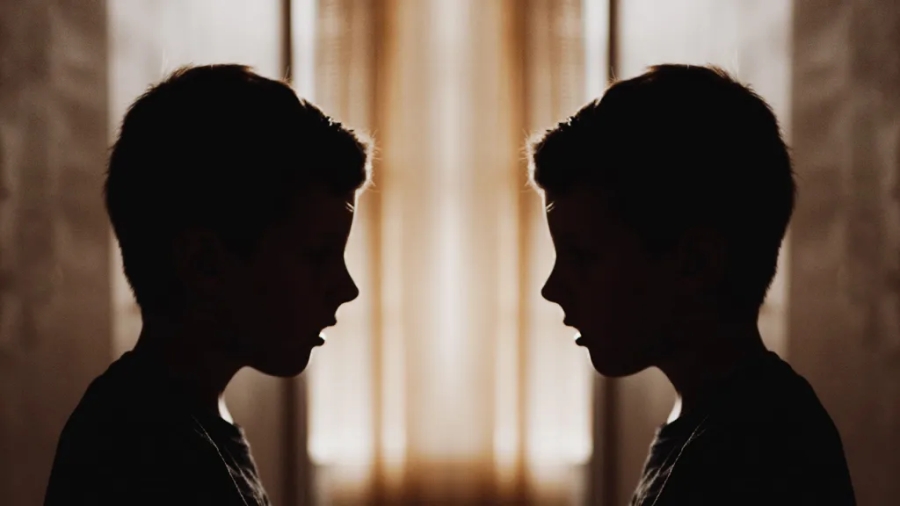
Photo Credit: Big Think found at https://bigthink.com/neuropsych/talking-to-yourself/

In January 2024, Scott Bransby sat down with himself to write a short piece of fiction for his portfolio. The following is an exclusive transcript between Scott and the voice in his head, Cecelia.

Scott: What am I supposed to write exactly? I mean, there is so much I could do, but none feel right. What do people really want to hear from me?

Cecelia: Hi.

S: Not now, I’m concentrating.

C: Hellooo…

S: Shut it. Haven’t you got somewhere to be? Imagining one of your fancy lives where you’re a stay-at-home mum of two or the CEO of a major conglomerate corporation.

C: Nah-ah. I’m right here now with you. Whatcha doing?

S: Trying to write a portfolio piece, thanks for your disruption.

C: What are you thinking of writing?

S: If you must know and aren’t leaving anytime soon, I was initially going to start writing my fantasy chapter- but I just can’t shake the feeling that something won’t work. I don’t even know if anyone would even like what I bring to the genre.

C: Well… I like your writing.

S: You would.

C: What’s that supposed to mean?

S: Well, you are an extension of myself. Your thoughts and feelings fluctuate based on how I feel. If I don’t like something, you don’t like it either. If you like my writing, then I like what I’ve written. It’s quite simple. 

C: That’s not the case though, Scott-o. You don’t like what you’re writing currently. I should know – I have a psychic ability where I can read your mind and know exactly what you are thinking. I’ll try it now: cheese… Dua Lipa… intertextuality?

S: I’m writing my Games Design thesis as well-

C: I blocked that out: mega yawn-fest. I like the drama of living these stories out in your brain. Remember that piece you wrote back in your first-year fiction module at university? The one with sisters fighting for the crests of their Queendom? What about last year, when you wrote that twisted fairy tale about the girl trapped in a dungeon of her own hair? I got to live as each of those characters, feel their souls and taste their very essence. 

S: Well thanks-

C: Now, the fiction you write is so… commercial. It’s like you write because you must, not because you want to. How am I supposed to get into character as yet another widow who thinks she has seen her dead husband? It’s so played out. You are not the next Harlen Coben – you are Scott Bransby. Where’s your inspiration gone?

S: I-

C: No. I am not done. I’m sick of you not writing stuff I enjoy anymore. You grew up in a town brimming with inspiration. Not many people can say they ate breakfast opposite Shakespeare’s birthplace every Saturday. Your writing is unique – you colour the world outside the lines and reference every detail to your own detriment. I enjoy living in stories like that, where you authored my world. Your work may be good, but I know you don’t feel anything towards it. There, mic-drop. You can speak now.

S: I don’t know what to say. I didn’t realise you cared so much about my work. I’ve been so caught up writing for a faceless person or writing what I feel is compulsory that I forgot I should want to read it too; that you are the constant in my narrative, my guiding hand. You’ve always been there for me, watching–

C: Ew, you’re getting soppy. This isn’t the place for you to get soppy.

S: Oh, alright. Well, that still doesn’t solve what I should write for this portfolio piece.

C: Listen, maybe I can help with that…

Scott Bransby is a BA Games Design & Creative Writing graduate from Brunel University. Separating the self from the work allows Scott to humanise his words and speak from a deeper, reflective place. A self-proclaimed chatterbox, he loves to write as much as he loves to talk, leaving the little room remaining for casting eldritch blasts on Baldur’s Gate 3 and shiny hunting Pokémon.

Honouring the Memory of Professor Benjamin Zephaniah: A Literary Anthology by Brunel Creative Writing Students

by Sundus Hassan Nooli (on behalf of the Brunel Literary Anthology)

A few days before the MA Creative Writing 2023 Winter Graduation, everyone – students, professors, readers – was rocked by the passing of Benjamin Zephaniah. His passing was felt around the world. And as the other side made way to greet him, it was beautiful to witness how many people were honouring his memory and art.

Benjamin Zephaniah was and still is a towering figure in the literary space, whose shoulders many of us, pupils, friends, and otherwise, stand upon.

To honour his powerful work in championing refugees, migrants, Blackness, humanity, justice, freedom, and street politics, the Brunel Literary Anthology invites former and current Creative Writing students from Brunel University London to submit their prose and poetry to BLA.

All are welcome to submit multiple works within a single submission, as long as they keep to the overall word count (further details below).

We welcome submissions of both poetry and short stories of any genre, including abstract and experimental fiction.

The submission guidelines are:

PROSE: 1,500 word limit, original piece, must not have been published elsewhere (personal websites and blogs included).

POETRY: Up to 4 poems.

For simultaneous submissions, in different genres, see example below:

You can submit up to:

• 2 short stories

OR

• 4 poems

OR

• 1 short story and 2 poems.

Deadline: February 26, 2024. Any and all questions and inquiries can be sent to blabla24@gmail.com. Submission link and further information can be found on our Instagram page.

With the blessing of Prof Zephaniah’s wife, all proceeds BLA makes will go directly to a charity of her choice.

Myths, Monsters & Mayhem – The New Champion of Horror, Sci-fi & Fantasy

by Faizan Ahmed

The Pandemic Era shifted our livelihoods, causing many of us to stay home for longer than we would have liked. Covid, the new World Heavyweight Champion, reigned supreme with no clear end in sight. But in that time, and after lots of introspection, Zoom calls and head scratching, the world started turning. The minds of 2021’s Horror, Sci-Fi and Fantasy class started churning those old rusty cogs again to do what we love. To write.

It is my honour to be a part of such a tenacious bunch, and to have personally designed the cover and name for our star-studded project. The online poll held for the anthology’s name was an exciting contest I knew I couldn’t miss out on. I studied previous anthologies in the series, like Wizards, Werewolves & Weird Engines and Robots, Rogues & Revenants, and knew that alliteration had to be carried forward. But the theme? My featured story explores the Islamic myth of Jinn, a human-like race only invisible and made of fire. It was from this idea that I wanted to capture the eeriness and fear I had of them as a child, which led to the inspiration of the name. A race of invisible monsters, causing chaos without us ever knowing… aha! Myths, Monsters & Mayhem!

(Faizan’s winning cover design)

Before designing the book cover, I had no experience in digital drawing, except in editing existing works. I wanted to create something that carried the tradition of the previous covers, whilst adding my own artistic flair to it. I was playing games such as the action-adventure hit Assassin’s Creed: Valhalla and had recently gotten into the Islamic-historical series Resurrection Ertugrul, so I wanted to see if I could combine the barbaric Vikings from the game and mountainous, tribal landscape from the series. Hence, I hand-drew the mountain backdrop, with waves crashing over it symbolising chaos. The warriors dotting the cover were an homage to the stories featured, and the intimidating demon on the left was a nod to the Jinn. When learning of our plan to donate to NHS Charities Together, I knew I wanted the wash of blue from the waves to be more apparent, so I added the blue magic graphic to the eyes and hands of the warriors on the cover as a tribute. The cover of this anthology was a new venture for me, as were many of the stories for the writers. But life is about taking those leaps, and when you have the courage to do so, you share those spoils with the world.

We bring to you explorations of myths, tales of grotesquely intriguing monsters and fragments of absolute mayhem. From the kingdoms of ancients to facing fears, you are in for thrills and chills like no other. Gear up for a collection of provocative madness.

(our book in the Top 5 hot new releases on Amazon!)

Myths, Monsters and Mayhem is the perfect jolt you need right now, whether that be a spark of creativity for a dormant idea or an actual jolt of fright. Oh yes, this isn’t a book by the beach. Welcome to the world of mighty fights, strange encounters and gruelling, gripping tests. All fun times, I assure you. Each story ignites something different in you, and with each of our champion writers showcasing their finest works to date, your eyes will be racing page to page for more.

The world may not be completely back to normal just yet but, for a moment, join our world where fantasies are realised. Smile, laugh and cry with us as you explore this stellar book we’ve had so much joy in creating. We hope this anthology, and our previous anthologies, inspire you like they have inspired us. Who knows, maybe there’s a writer in you, impatiently waiting to burst through with myths, monsters and mayhem of your own?

Having lived abroad for 8 years, Faizan Ahmed had the pleasure of experiencing a myriad of cultures. Faizan is an aspiring Game Designer and Creative Writer. Enthused with a passion for wrestling, superheroes and historical fiction, he channels his experiences to create compelling content for a variety of media outlets. Follow his journey to become a WWE Wrestler on Instagram: @sher.khan.official and catch the latest in his life: @ahmedfaizan68

The Brunel Writer Prize 2021

Every year, The Brunel Writer Prize is awarded to the student with the highest graded article submission for the Creative Industries module on Brunel University’s Creative Writing Programme. This year’s winner is Gatlin Perrin whose article offers some insightful tips on navigating uni. Congratulations Gatlin!

From Freshers to Final Year: How to Do University

by Gatlin Perrin

Getting through university is difficult, and anyone who says otherwise is lying. Wherever you’re at with your uni journey, here are fourteen no-nonsense tips and tricks for getting from Freshers to final year with the majority of your limbs intact.

Good luck.

1. There is a room on the second floor of the library filled with study cubicles. This is the perfect place on campus to cry. Don’t ask me how I know this.

2. On the third floor of the library is the mental wellbeing centre, where you can ask for counselling. They also give out free stress balls, which can be used as projectiles if you prefer a more violent approach to problem solving.

3. Some people will tell you that you’ll make friends for life during Freshers Week, and those people deserve to be punched in the face for causing unnecessary stress. That group over there who are all laughing and hugging aren’t “friends for life”, they’re drunk. You will find friends when you find them.

4. If you live in halls, remember – everyone has their own idea of what “sharing” is. The statement “help yourself to anything in my fridge” is a grenade that’s just had the pin removed. Padlock everything. P.S., everyone also has their own idea of what “clean” is, so get ready to discover at least seventeen different species of mould on a dinner plate.

5. Mind your own business. If I’m not judging you for only having attended one lecture the entire year, you don’t judge me for literally crying with relief when a lecturer tells me my assignment wasn’t awful. This is a no judgement zone.

6. When in second year, do not compare yourself to the first years. They’ll always seem more talented, more composed and somehow better looking than your year. Try not to take it personally.

7. When in third year, do not compare yourself to the previous third years. They also had no idea what they were doing, they just hid it better.

8. Buy a dictionary. This is because whatever year you happen to be in, none of the words on the assignment brief will ever start to make sense.

9. Kidneys go for an average of around £5000 on the black market. You can survive with just the one but you’ll need at least six if you keep doing your weekly shop at Sainsbury’s. Lidl is your friend.

10. Third years, buy an umbrella. This is because as soon as you enter your final year you will notice the vast storm cloud of “life after graduation” approaching in the distance. It’s coming faster than you think.

11. In that vein, if anyone asks you what your career plans are for after graduation you are required by law to push them down the stairs. Refer back to tip five.

12. Having mental health issues at university is like contracting an STI: more people have them than you think, you shouldn’t be ashamed but you still need to do something about them before they get worse. Refer back to tip two.

13. Get hopeful. This is because you have to – what’s the alternative? You’re not the only one who didn’t get that internship or won’t get the first they wanted, and this does not mean that you’ve failed at life. Focus on you.

14. Keep focusing on you. The most important part of university is to get out of it alive. Drink water. Get some sleep. Talk to someone when you need help. You’ve got this.

Gatlin Perrin is a North Walian writer who pens books for children and scripts that are not for children. Their play Bear Hands was featured digitally at the Edinburgh Fringe, and their children’s novel His Royal Hopeless is out September 2nd 2021 under the pen name Chloë Perrin. Gatlin likes to think they can do it all, which is probably why they’re in therapy.

An Hour A Day Keeps The Blues At Bay – The Rambles of a Wannabe Traveller

by Becca Arlington

It’s day whateverteenth of lockdown and I’m beginning to wish I had written down each small achievement so I remember this significant period of history in the future, instead of just crossing out all of my painstakingly-well-made plans in frustration.

The most exciting part of each day is probably the hour long walk around my little town; discovering more back roads and wooded areas than I ever thought could fit into the sleepy suburb.

Never have I ever spent so much concentrated time with my parents.

Never have I ever struggled so much to get motivated.

And never have I ever felt guilty for not doing enough home workouts, or even more importantly, not buying a puzzle on Amazon Prime.

My sister got six months of Disney Plus so at least I can binge watch childhood favourites and belt out the classics at the top of my lungs. I might be 25, and I might pitifully still live at home, but there’s always Disney.

I hope the novelty of pub quizzing doesn’t wear off once normality resumes, because I’ve probably done about 1,234 online quizzes with friends at this point. At least my small amount of general knowledge will be increasing daily.

Perhaps I should be going on Zoom dates, that would be quite a story for the grandchildren; “we met in the midst of an apocalypse and could only make eye contact through a screen; it was the Romeo and Juliet of our era don’t you know.”

My dad and I got symptoms. He was so lethargic and feverish for at least two weeks and I had some headaches and no sense of smell or taste, but we are the lucky ones and I am so grateful for that.

I feel I should be doing more to help, but deadlines are coming and creeping faster than normal and my Monkey Music children in my online classes won’t monkey around by themselves. As I attempt to teach them virtually, I hope and pray that the dystopian tales that speak of school children only being taught by screen don’t last longer than lockdown.

I made banana bread the other day, so I am now an official quarantine cliché; but it was very tasty, so I have no regrets. This may be my last ever foray into the world of baking now that flour is scarcely seen on shelves, whilst it’s viewed as an essential product for all of us bandwagon-jumping novices.

I think back to the beginning of last year when I was travelling the world and the possibilities seemed endless. How lucky I was that it was a year prior to pandemic. I give myself wanderlust every day as I attempt to finish my very belated scrapbook and travel blogs. What a difference a year makes. It all feels like a distant memory when so much is now an impossibility. Goodness knows when I can tick off the next country on my ever-growing bucket list. At least the world gets greener as humans stay indoors.

32cb1756-87b1-46b2-9feb-ed71ccf6ca41

The daily walks are a reminder that nature continues to flourish, and the sunny weather has brought an abundance of wildlife to the forefront of my senses. The flowers smell stronger, the birds tweet louder and I even saw a rat running across my road just yesterday. I think it was a big ‘FU’ to humans. “Ha, I’m not in isolation b****tches.”

But then the rain began in earnest and the hail indicated that the ten plagues may well be coming for all of mankind. The sun seemed a glimmer of hope during such a bewildering time, but it had been snatched away by the grey clouds of impending doom.

Daily walks have now become replaced with short bursts on the Wii Fit and I am naturally baffled that it told me I haven’t lost any weight. Although I did only just have an Indian takeaway, something to look forward to during the repetitive cycles of eat, sleep, repeat. Its warm and inviting boxes were sprayed within an inch of their life with what remained of our nearly-exhausted supply of Dettol, but the food inside brought back memories of my time in India, and, uh-oh, the wanderlust begins again.

To take my mind away from the unforgiving urge to travel, I FaceTime my niece. She might be a six-month old sausage dog, but she understands how to smash through lockdown unperturbed and constantly grateful that her ‘hoomans’ are always around. I note down her top tips and am then informed by my mum that she has signed me up to sing to my road in a lovely little street party. It’s the small things right now, so I don some rainbow clothing and sing about the rainbows to a socially distancing, but very kind audience.

It’s lockdown and it’s strange. I’m up one day and very far down the next, and the world might never be the same again; but I am not alone, and I am one of the fortunate ones. I am trying to hold on to each small moment and remember that this too shall pass.


67316676_10157220688645470_8511779656230240256_n

Becca Arlington is studying for a Master’s in Creative Writing at Brunel University. She works part-time as a music teacher for young children and is currently blogging about her recent six-month trip around 19 countries. You can find her on Twitter at @beccablogs360.

Funeral Home

by Emmi Goldenberg

New Canaan, Connecticut

6th April, Day 22 of Quarantine:

Cycling along the roads, everything seemed like normal. Gardeners in front lawns blowing leaves in spirals, the odd kid skating up and down the quiet lanes, chipmunks darting from burrow to bush with their tails bolt upright for balance, the occasional rumble of a car passing cautiously at 15mph, the birdsong unbroken as jaybirds perched in every other tree.

Everything seemed like normal until I reached our little town. It was empty. Everything was still. The only sign of movement were the changing traffic lights that flashed green for the non-existent cars, or the crossing man who flashed white for the non-existent pedestrians. Not a single person was here, New Canaan’s town was deserted.

I cycled further up Elm Street and took in the desolate avenue, unable to keep the feelings of sadness at bay. With the spring weather, the town would usually be bustling with people at the early morning farmer’s market, out for their morning coffee, families together for brunch, the annual sidewalk sale. Daffodils, ice creams, and donuts.

As I waited for no reason at a stop sign, I noticed some life; two builders in a pothole. Even they were hiding from society. I mean, I don’t blame them, the whole world was an apocalypse, no one knew what would come of this but at least they could work while they wondered.

The emptiness was peaceful. Despite the abnormality, there was something soothing about being the only one around, almost as if I had entered a world of my own – cliché and comforting. Basking in the newfound bubble, I made my way home, thinking about how everything was still while I was in motion. As I cycled out of town, I passed the Funeral Home, lost in my thoughts I was startled by the figure on the porch. It was the owner. He was stood by his front door dressed in a freshly pressed suit, staring out into the deserted streets. He was working, watching, waiting for the victims of the virus. His aura was beckoning; willing me to fall into his open arms or the casket before him.  I looked away. A sinister chill darted down my spine.

This was day 22 of quarantine for me, it is now 2nd May and day 48. God knows what it’s like out there now.

image001Emmi Goldenberg is a first year English with Creative Writing student. Split between England and America she usually has a very hectic lifestyle, but currently she is sat in the garden watching the world go by. Follow her Instagram @egphotos_ where she is beginning to experiment with the collaboration of photography and storytelling.

Instagram: https://www.instagram.com/egphotos_/

Portfolio: https://www.clippings.me/emmi