
ON July 14, 2026 / BY EDITOR SOPHIE NAMBUFU / LEAVE A COMMENT
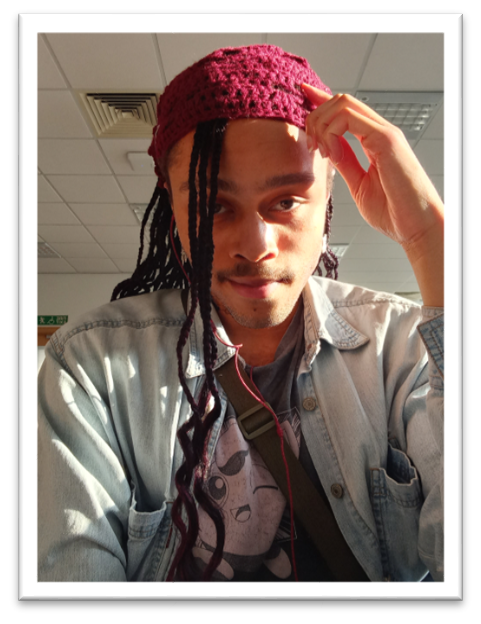
Every year, The Brunel Writer Prize is awarded to the student with the highest graded article submission for the Creative Careers module on Brunel University’s Creative Writing programme. EJ Watson was a runner-up for The Brunel Writer Prize 2026 discussing his experience writing about bereavement in his article, ‘The Time to Try – Writing about Bereavement & Hardship’.
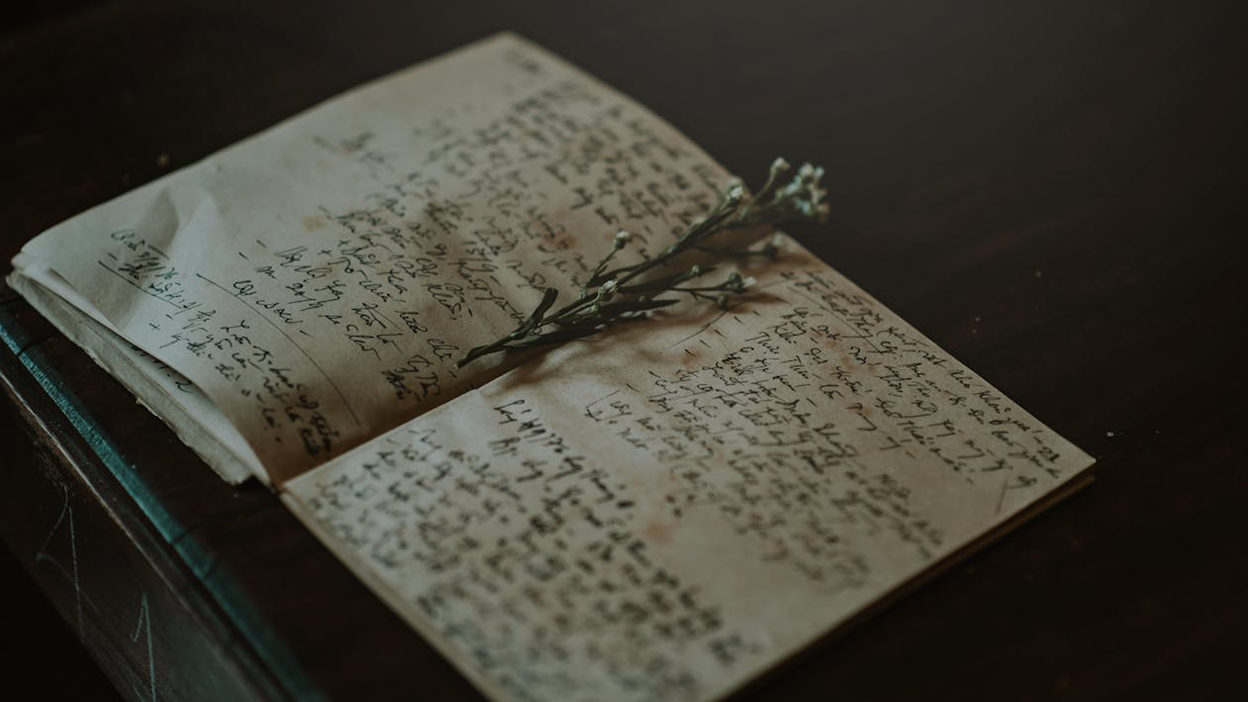
Out of all the topics ever featured in a story, I find myself gravitating towards interpersonal relationships the most. The bonds people form with each other, whether short-lived or lasting, healthy or harmful, marked or minor, can be depicted in countless ways.
Someone walking into a person’s life is enough to create an entire work of art.
The same can be said about someone disappearing.
Bereavement, unfortunately, is an experience that most will have to live through sooner or later. Though you grow up seeing depictions of the process in stories, or the news, or the people that exist in your life, nothing ever prepares you for when your turn comes. I’ve learned that a few times across my twenty years, through the passing of both family and friends, as well as the limbo each one’s aftermath locked me in. Whilst writing has always been my antidote, my personal playground to unpack whichever feelings I want to explore, there are just some things a pen can’t fix. It took me years to even consider tackling my grief through my work, and though the task drained me of my efforts and tears, I can now say I’m very grateful for it.
In my second-year module ‘Writing The Short Story’, I wrote a piece called Zephyr – a story about two boys, Alistair and Deacon, navigating the passing of their best friend, Zephyr. Whilst I’m not Alistair or Deacon, and our stories aren’t perfect matches, we have experienced the same pain. Mine was the foundation that theirs grew from. Looking back on the process, I’ve never struggled so much in the creation of anything before. Facing the demons of procrastination and plot stagnation is hard enough. Reliving a period of your life where you couldn’t smile without feeling guilty isn’t a whole lot better.
Any writer who’s crafted a story personal to them will likely be able to understand an experience of this sort, even if they haven’t lived through bereavement specifically. The breakdown of a relationship, strained feelings about family who should support you but don’t, entering a new environment without the slightest clue of how to navigate it. All are universal experiences. To create art inspired by hardship requires digging into uncomfortable corners of your mind, to claw at the scabs over memories that still bleed from time to time.
You risk setting off every emotion that’s capable of consuming your life, and that’s difficult.
Very difficult.
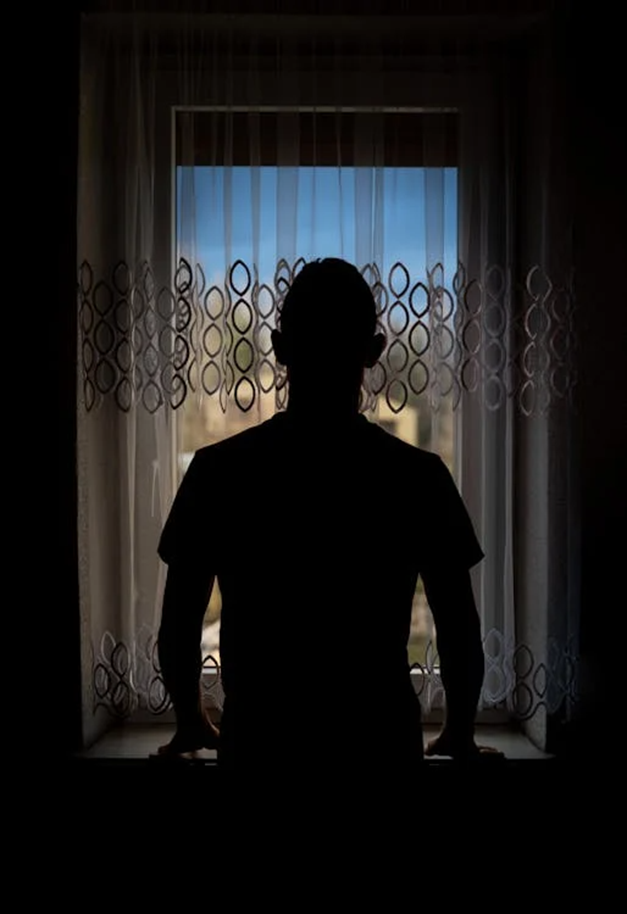
I learned a lot writing Zephyr, about myself and my creative process, with there being some lessons that I think are worth sharing.
- Your writing doesn’t have to be autobiographical. Exploring your feelings in a scenario that isn’t exactly your own can be a useful way to process them and even gain a new perspective on what you went through.
- Wait until you’re ready to write about your chosen topic. That may be immediately, but if it’s not (it wasn’t for me), that’s completely fine. Knowing your limits is key here; your notebook/laptop/scattered sheets of paper will still be there for you when the time is right.
- Be kind to yourself. As easy as it is to say, taking care of your wellbeing whilst writing about hardship (and in general) is vital. If you need to take a snack break, go for a walk, or even write something entirely different for a while, do it. You’ve already faced enough pain as it is, you owe it to yourself not to undergo any more that can be avoided.
Before Zephyr, the idea of writing about bereavement or my grief was daunting and a task I ran from altogether. Having done so now, I sit here with a story and characters that I love, and some closure on the struggles I’ve faced. It helped me. Maybe it could help you. Whether it’s now, in a few months, or a few years, the process will be tough, but it’s worth taking the time to try.